
Photovoltaics
Environmental Assessments, Audits, and Technical Studies for Solar Projects
Manage Your Solar Projects from Design to Certification


Customized solutions for high-performance, compliant solar projects
The industrial photovoltaic sector is evolving rapidly, driven by technological innovations, stricter regulatory requirements, and the need to reduce the carbon footprint of solar projects.
Kapstan draws on its in-depth expertise in industrial photovoltaics, gained through audits of factories operating at various stages of the PV module value chain worldwide, as well as through projects conducted with leading players in the French and European markets.
Our in-depth knowledge:
- photovoltaic technologies (monocrystalline silicon, polycrystalline silicon, and thin-film),
- industrial value chains,
- French and European regulatory and environmental frameworks
enables us to support your projects with technical rigor, a long-term vision, and effective risk management.
Our integrated approach ensures sound decision-making, enhances the value of your products, and optimizes the environmental and energy performance of your photovoltaic installations, in compliance with French and international standards.
Why choose our support services?
-
International experience on production lines
We have audited photovoltaic manufacturing plants around the world, from polysilicon purification through to the final assembly of modules. This experience enables us to accurately assess the quality, traceability, and performance of the products.
-
Low-Carbon Optimization of Your Products and Processes
Our projects consistently include an analysis of the carbon footprint throughout the value chain. We identify concrete ways to reduce emissions, focusing on technological choices, industrial processes, and suppliers.
-
Partner to French Market Leaders
Kapstan supports manufacturers and solar power developers involved in large-scale projects—particularly in connection with CRE tenders—by combining technical expertise with an understanding of regulatory and environmental requirements.
Support for CRE Tenders
The Simplified Carbon Assessment (ECS) is a mandatory certification for photovoltaic modules participating in public tenders in France.
Kapstan supports you throughout the entire process to ensure your applications are compliant:
- Calculation of the carbon footprint according to CRE’s specific methodologies (CRE4, PPE2, PPE2V2, PPE3).
- Organizing technical data and collecting supporting documentation from manufacturers.
- Issuing compliant certificates and managing the certification process with accredited organizations such as Certisolis.
Technical interface with ADEME to ensure the validation of your carbon scores.



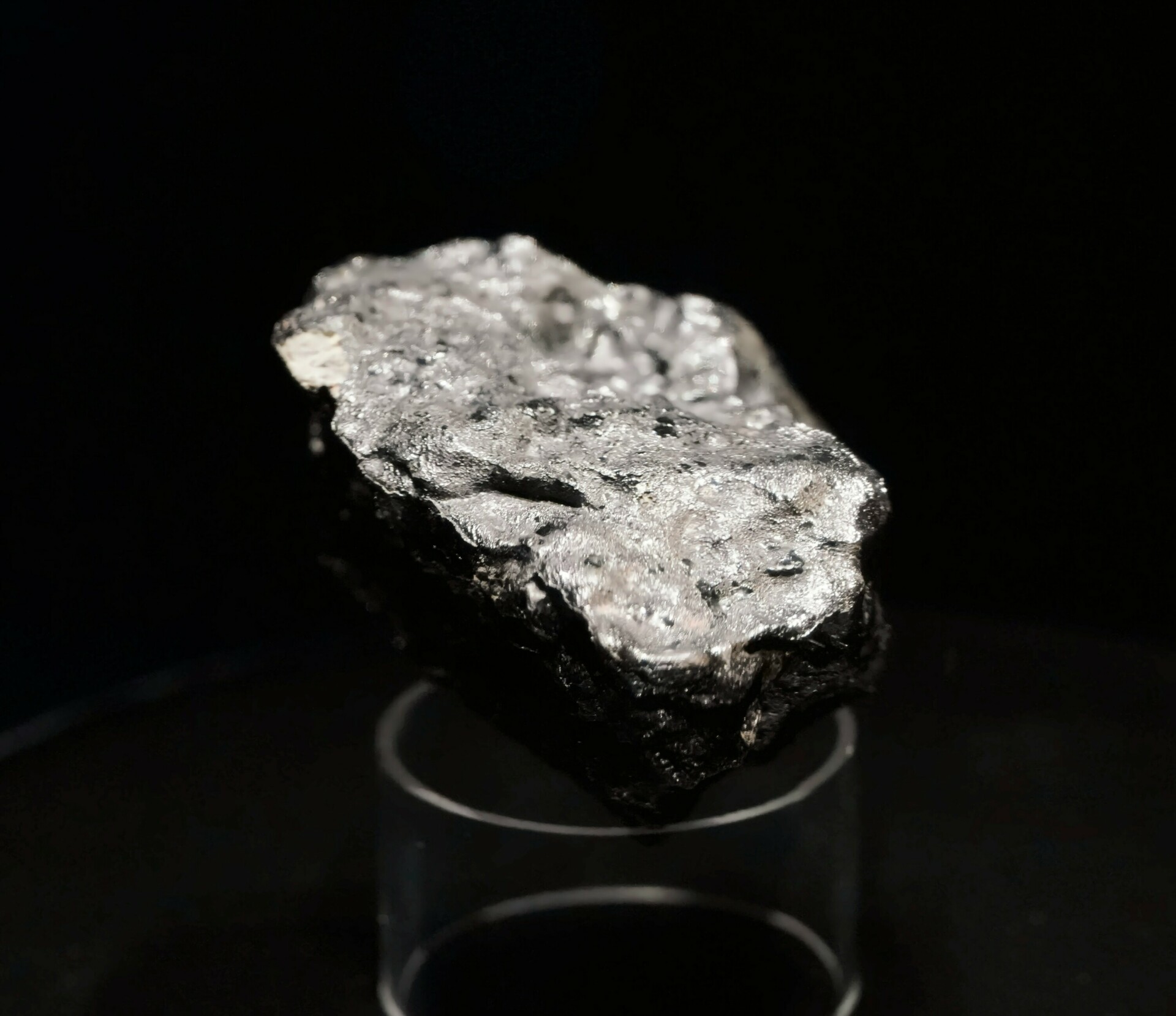
Purification of Polysilicon
Polysilicon is the essential raw material for manufacturing photovoltaic cells. Its production, which is particularly energy-intensive, represents the primary source of carbon impact in a module’s life cycle. Optimizing its supply chain and purification processes is therefore a key strategy for reducing the environmental footprint of photovoltaics.


Wafer Slicing
Wafers, which are produced by cutting silicon ingots, represent one of the most critical stages in terms of material loss. Their manufacturing has a significant impact on the module’s overall yield and carbon footprint, particularly depending on the wafer thickness and the sawing loss rate.

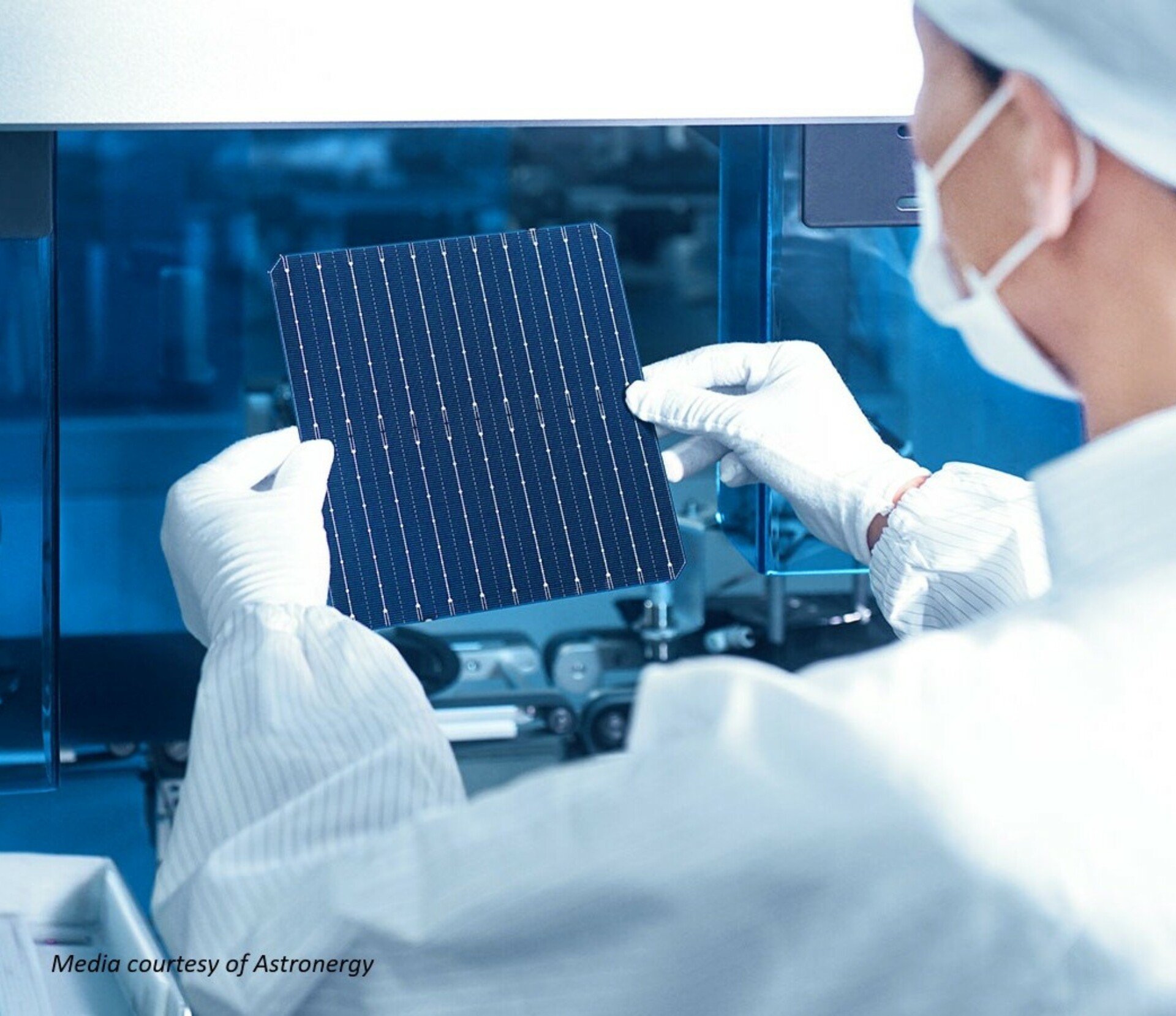
Cell Production
Photovoltaic cells, manufactured from wafers, undergo various chemical treatments and metallization processes depending on the technology used (PERC, HJT, TopCON). This stage, which is both energy-intensive and chemical-intensive, is critical to the module’s final efficiency. It also accounts for a significant portion of the module’s environmental impact.


Module Assembly
The photovoltaic module consists of all the cells encapsulated within a protective structure. This step determines the durability and performance of the final product. Although it accounts for a smaller portion of the carbon footprint, it is essential for ensuring product quality and compliance with international standards.


Contact Person
Life Cycle Assessment and Environmental Product Declarations
To manage the environmental impact of your photovoltaic products, Kapstan assists you in preparing and validating standardized environmental declarations: EPD, FDES / PEP Ecopassport®, or LCA in accordance with ISO 14067.
Life Cycle Assessment (LCA) evaluates greenhouse gas emissions across the entire product life cycle (raw materials, manufacturing, transportation, use, and end-of-life) and serves as a key tool for low-carbon management and market differentiation.


EPD, PEP, and FDES
EPDs (Environmental Product Declarations) are standardized documents that provide transparent and comparable information on a product’s environmental impacts on an international scale.
In France, the equivalent for electrical, electronic, and HVAC equipment is the PEP ecopassport®, a specific type of FDES (Environmental and Health Declaration Form). These declarations are essential for sustainable construction projects and environmental certification processes.

ISO 14067 LCA
An LCA conducted in accordance with the ISO 14067 standard focuses on a product’s carbon footprint by assessing all greenhouse gas emissions generated throughout its life cycle: raw material extraction, manufacturing, transportation, use, and end-of-life. This approach provides an accurate picture of the product’s climate impact and serves as an essential tool for guiding emission reduction strategies.






Contact Person
Carbon Footprint of Photovoltaic Power Plants
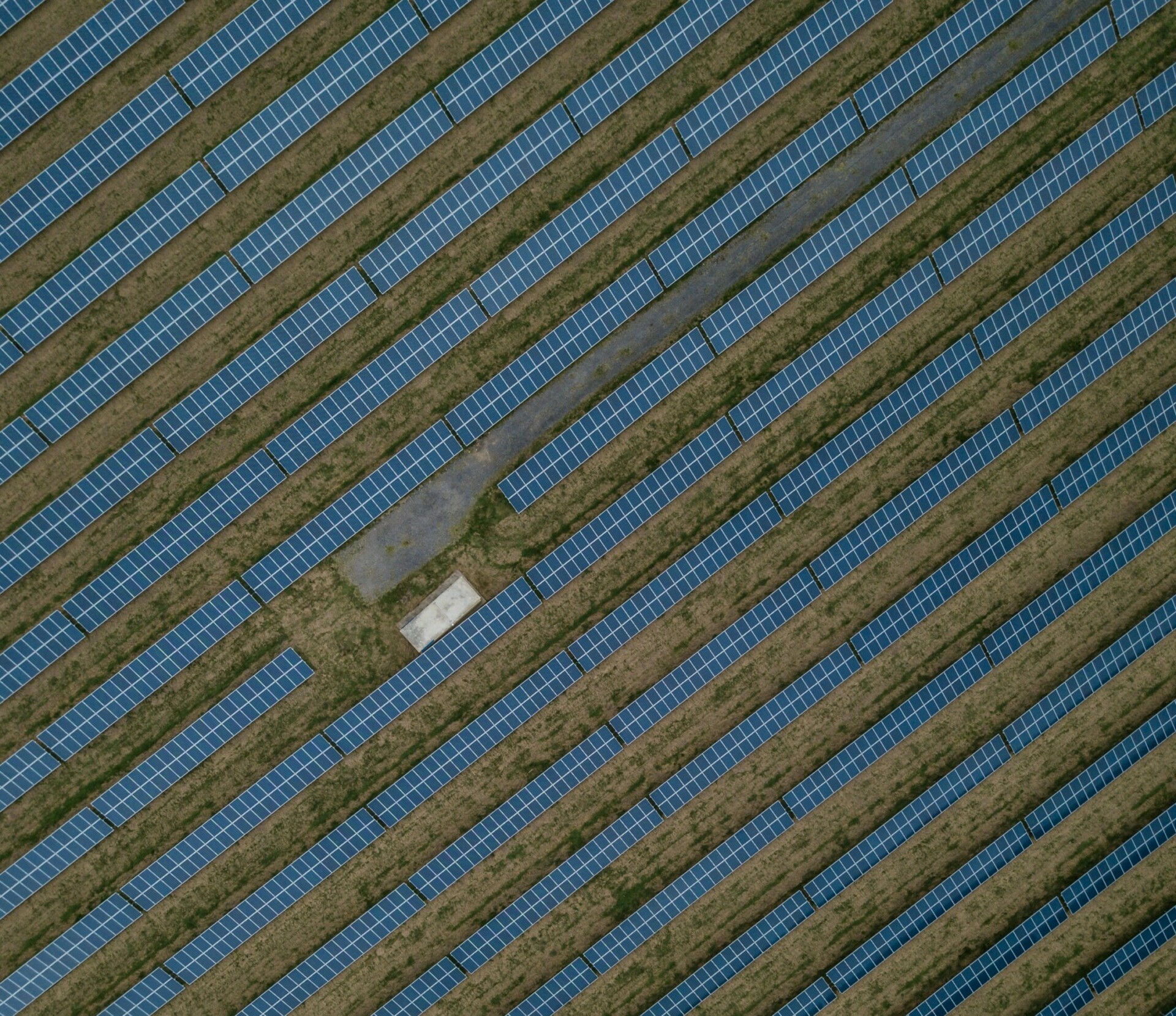
For renewable energy project developers, measuring emissions is a key component of the environmental aspect. Kapstan conducts comprehensive carbon footprint assessments—from cradle to grave—that are directly applicable to your Environmental Impact Assessments (EIA).
Thanks to our in-depth knowledge of the industrial ecosystem, we simplify the management of these challenges by addressing critical issues:
- Optimized data collection: We know exactly what data to request from manufacturers. Our expertise in the value chain saves you from unnecessary back-and-forth and speeds up the preparation of your documentation.
- Performance indicators: Results are expressed per unit of energy produced (gCO₂e/kWh), making it easier to compare and evaluate your projects (solar, wind, storage).
- Reduced risk of review: Our studies are based on a robust methodology that minimizes requests for additional information from regulatory agencies.
More than just a calculation, we provide you with operational recommendations to optimize the environmental performance of your facilities starting from the design phase.

The Methodology Used
Kapstan follows ADEME’s current methodology, which specifically incorporates the impact of land-use changes. In addition, the company uses highly detailed and specific modeling of photovoltaic modules, which allows it to challenge industry standards and obtain results that are particularly accurate and representative of real-world industrial conditions.


Contact Person
Specialized Photovoltaic Technical Studies
Kapstan conducts targeted technical studies to ensure the safety of your solar projects:
- Glare studies to quantify glare phenomena (airports, roads, sensitive infrastructure)
- Support for module procurement: analysis of bids, drafting of requests for proposals, incorporation of low-carbon criteria
- Generation potential studies: precise estimation of power output (P50, P90, P99) based on meteorological and technical assumptions
Contact Person
Photovoltaic Training for Your Teams
Kapstan offers customized photovoltaic training for developers, technical teams, and decision-makers:
- the industrial ecosystem for photovoltaic modules,
- French and European regulatory frameworks,
- environmental and low-carbon issues,
- procurement processes, quality control, and sampling.
Training sessions are offered in person or remotely, in French or English, with durations that can be tailored to your needs.
Contact Person


Any questions?
We work with all types of modules (monocrystalline silicon, polycrystalline silicon, and thin-film) and various technologies (PERC, TOPCon, and HJT).
We conduct LCA studies in accordance with ISO 14040/44 standards and CRE methodological requirements. For organization-wide assessments, we also utilize the Bilan Carbone® and the GHG Protocol.
Yes. They address strategic issues for decision-makers, but also help sales teams build their skills. The goal is to give them the tools they need to effectively promote the carbon-reduction case and turn their environmental performance into a real sales driver in response to customer demands.
Case Studies
All Case StudiesReady to ensure the safety and optimize your solar projects?
At Kapstan, we put our technical, environmental, and regulatory expertise to work for your solar projects. From optimizing your modules to assessing your carbon footprint and training your teams, our support helps you make informed decisions and maximize the performance of your installations.
Whether you’re developing a new power plant, responding to a CRE request for proposals, or looking to reduce the environmental impact of your solar products, we work with you to build practical, reliable solutions tailored to your goals.